-
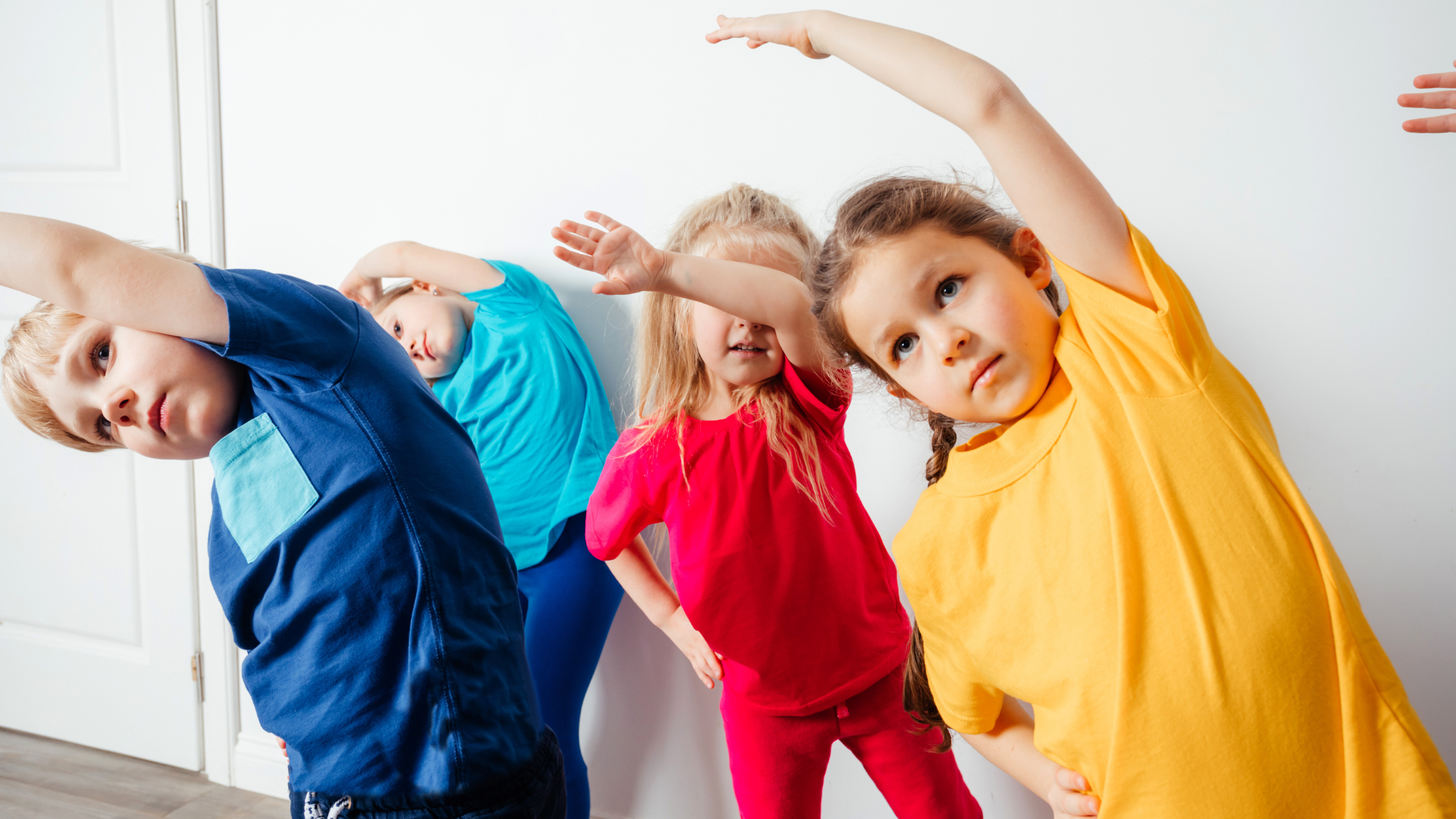
Strength and Mobility Exercises
To prevent injury in sports such as gymnastics, cheerleading, acrobatics and dance, it is crucial to condition on a regular basis. Conditioning has various physical benefits, which include strengthening the joints, eliminating muscle imbalances, core strength development, and better balance, speed, mobility and overall range of motion. In cheerleading, it is important to make…
-

Injury Prevention for Knee Pain
Did you know that our legs can experience 4-17x our body weight when we are tumbling or coming down from working on an apparatus? This is why it’s important to ensure that we monitor this part of the body, most especially our knees when participating in high-impact sports like gymnastics. For the final series…
-

Injury Prevention for Achilles Tendon
The Achilles tendon connects the muscles in the calf (gastrocs and soleus) to the heel bone (calcaneus). It is one of the thickest tendons in the body. The Achilles, calf and foot act as a spring, absorbing energy when we land from tricks and using that stored energy to give us the power to…
-

Injury Prevention for Wrist Pain
According to Physiotherapist Dani Davey, weight-bearing exercises such as handstands, bridges, planks and tumbling can cause frequent wrist pain in gymnasts, cheerleaders, acrobats and dancers. To prevent wrist pain or injury, it’s important that athletes work on their motion extension and strength exercises before doing any of these movements. The below image portrays the…
-

How to Strap a Wrist: Kinesiology vs Rigid Tape
Comp season is well and truly amongst us! It is important for athletes and coaches to understand how to strap adequately and know what type of tape to use for injury or optimal performance. Pulled muscles, tendons, and sprains are some of the most common injuries that arise in the sports of gymnastics, acrobatics…